

No more soggy crust!
When it comes to deep-frying, the type of flour you use for the coating can make a world of difference. From light and airy coatings to rich and crunchy crusts, each flour has a different texture. Here’s a breakdown of the best types of flour for deep-frying and a few tips on how to make the perfect coating.
1. Plain flour
Easily available and versatile, plain flour offers a light, crisp coating that works well for a wide range of fried foods. It’s often used as the base in many batter recipes, either on its own or combined with other ingredients to add crunch.
For a traditional batter, mix plain flour with water or a carbonated beverage, such as club soda or beer, which introduces bubbles and helps make the crust lighter and crisper.
2. Sweet potato flour
The biggest difference between other flours and sweet potato flour is it’s naturally gluten-free. Made from dried sweet potatoes, sweet potato flour adds a subtle sweetness and extra crispiness to fried foods. It fries up light and crunchy and can be a wonderful alternative for those seeking a slightly different flavour.
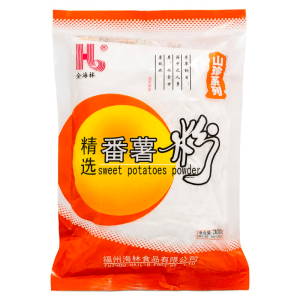
Sweet potato flour works well as a standalone coating or blended with plain or cornflour for even more crispiness. For a light, airy texture, coat food directly in sweet potato flour before frying, or use it in a batter mixed with cold fizzy water or beer.
3. Cornflour
Cornflour is a powerful ingredient for creating an ultra-crisp crust because it fries up drier than wheat-based flours. Many Asian recipes use cornflour to coat fried foods for its ability to reduce moisture in the coating and produce a delicate, brittle crust that’s incredibly crunchy.
4. Potato flour
Potato flour is another great option for a delicate, extra crispy crust. Like cornflour, it fries up dry and crispy with a thin, crackly texture that makes most fried foods incredibly crispy. It also helps reduce oil absorption, giving your food a light, non-greasy finish.
The downside of using potato flour, other than being harder to get hold of in the UK, is that its delicate, crackly crust can be a bit too fragile and sometimes flakes off, especially if it doesn’t stick well to the food. Also, on its own, it doesn’t hold seasonings as well, so the flavour can end up a little bland.
Cornflour or potato flour?
The difference between using cornflour and potato flour for deep frying is in whether you will toss the meat in a sauce afterwards.
Cornflour creates a light, crisp crust that’s a bit more delicate. It’s great for getting that airy, almost brittle crunch you often find in Asian fried dishes. It’s also better at holding up to sauces as it doesn’t get soggy as quickly.
Potato flour on the other hand, gives a slightly thicker, more crackly coating. It fries up even crispier than cornstarch but can get soggy a bit faster than cornflour.
So for dishes like Chinese sweet and sour chicken or chilli beef where you toss the deep fried meat in the sauce, I would use cornflour. I have used potato flour in these dishes and was disappointed as the meat was so soggy you wouldn’t even know it had been deep fried!
Since both these flours are so light and delicate, to get a more balanced result, you can mix cornflour or potato flour with plain flour. This will give you a crisp crust that’s sturdier and holds up better over time.
5. Self-raising flour: for a light, puffy crust
Self-raising flour contains both baking powder and salt, which help it create a light, puffy and airy crust. It’s ideal for dishes that call for a thicker batter-style coating such as fish and chips, Chinese takeaway style chicken balls, beer-battered tempura or Southern-style fried chicken.
A few tips for the crispiest deep fry
Use ice-cold batter
Cold batter creates a greater contrast when it hits hot oil, leading to a lighter, crispier crust. For a fluffy batter, mix your batter with cold liquid such as water, fizzy water or beer.
Avoid overcrowding the pan
Adding too much food at once lowers the oil temperature, resulting in soggy, greasy foods. Fry in batches for the best results.
Keep it dry
Pat your food dry with paper towels before coating it. Excess moisture can make the coating soggy, so make sure everything is dry before dredging it in flour.
Season before and after frying
Season your food before coating it, but don’t forget to add a bit of salt or spices to the flour mixture and give it a final seasoning as soon as it comes out of the oil for maximum flavour.
Use the right oil temperature
For most foods, a temperature of around 175°C is ideal for deep-frying. If it’s too hot, the exterior can burn before the interior is fully cooked; too cool, and the food will absorb too much oil and become greasy.
Some of my favourite crispy and crunchy recipes:
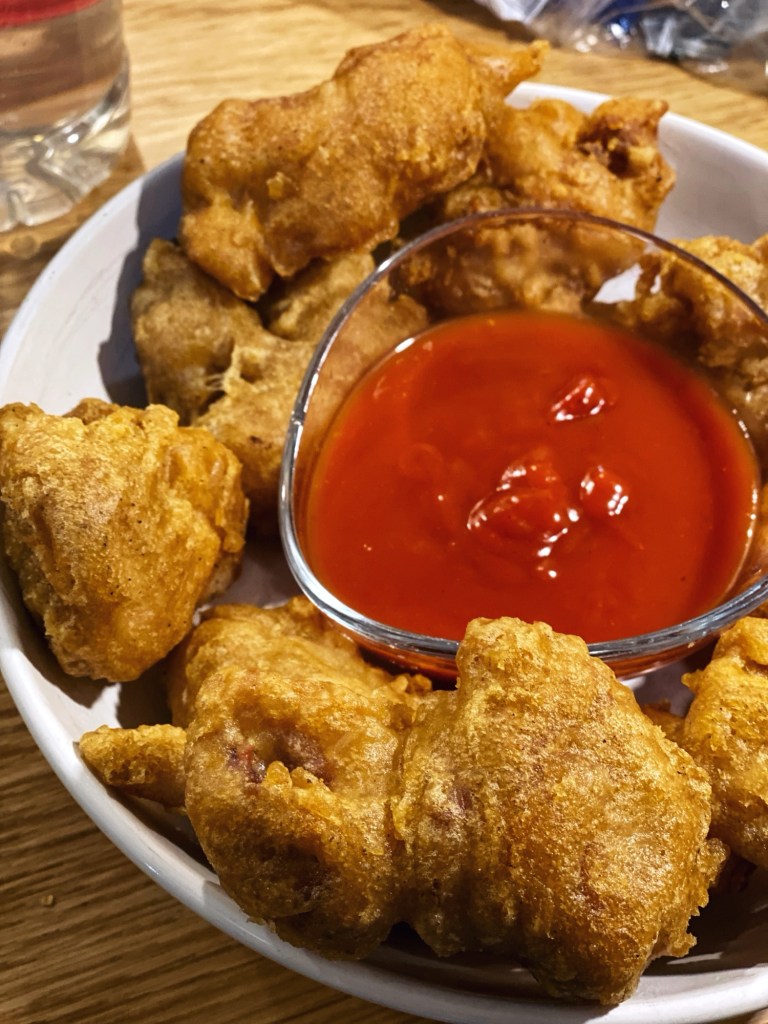
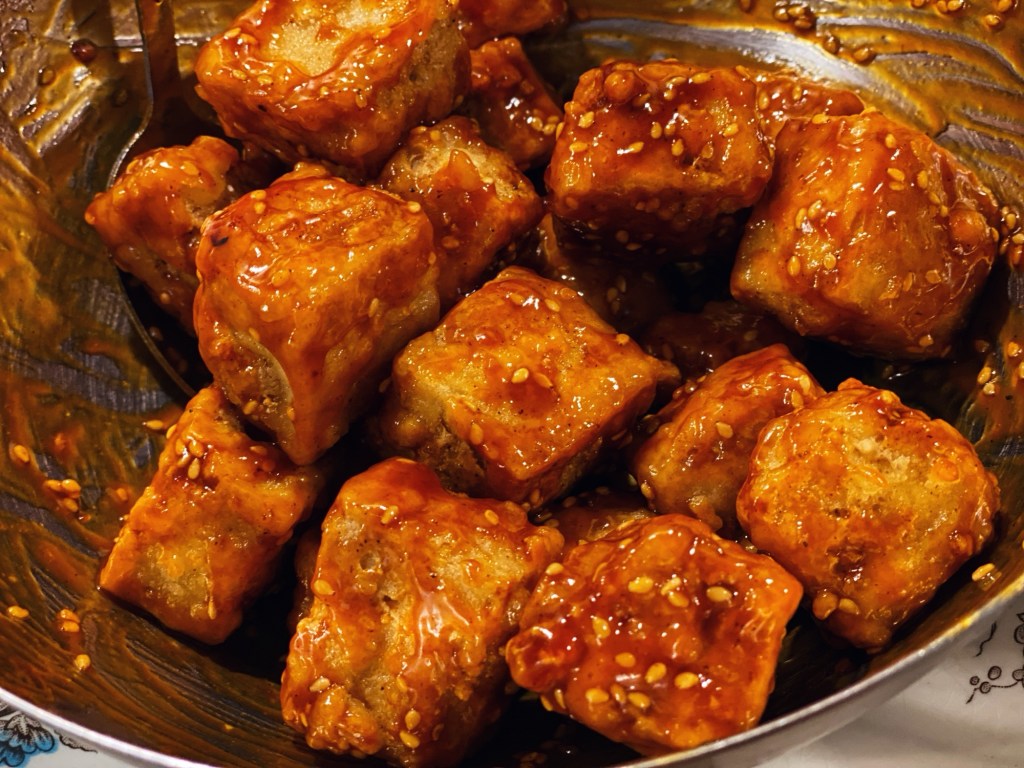
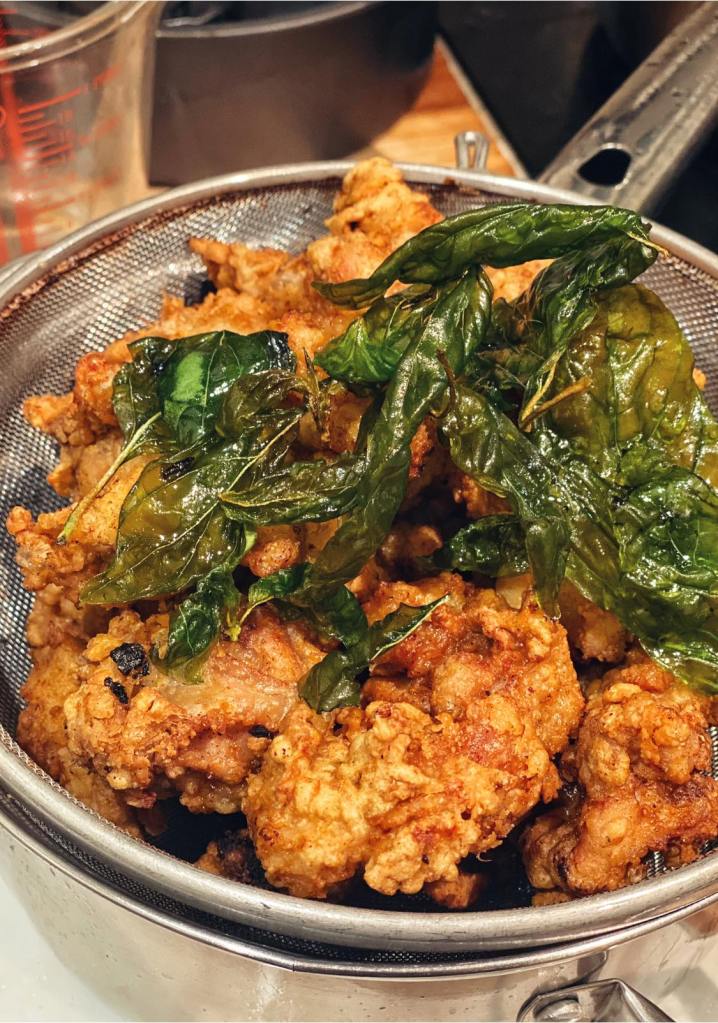

What’s your go-to flour to use for deep frying? Share with me in the comments below! You can also join my email list to get all new recipes in your inbox 🙂
Janice xx
 Daily Teaspoon